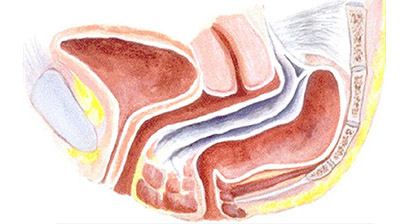


Urogynaecology Services
Bladder Dysfunction -
The bladder functions both as a storage organ to store urine and as a conduit to pass urine out of our body at appropriate times. Urine leakage occurs if there is a problem with urine storage. Difficulty to empty the bladder is a problem of the micturition function. The following conditions are related to bladder dysfunction.
Urinary Incontinence is the involuntary leakage of urine which may cause embarrassment or social/hygienic problems to a woman. This condition is fairly common, affecting 10-30% of women depending on their age group.

Women with this problem experience difficulty in emptying their bladder. They may have a slow stream of urine and/or the sensation that they still have urine in their bladder shortly after passing urine. Investigations need to be done to ascertain the cause. Management is then tailored to eliminate the problem.
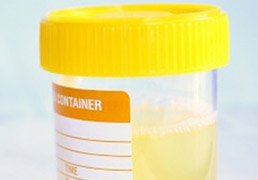
Urinary Tract Infection – Urine infection occurs when bacteria gains access into the urinary tract.
Lower urinary tract infection or bladder infection is fairly common among women. These women experience frequent urination, pain or a burning sensation when passing urine. More serious infection can cause fever or blood in the urine. A course of antibiotics usually cures the condition. Recurrent urine infection, occurring more than twice over 6 months or more than 3 times over 12 months, warrants further investigations to exclude other problems such as stones, cancers, Diabetes Mellitus etc.
This uncommon condition causes extreme urinary urgency & frequency. Sufferers may need to visit the toilet to pass urine every few minutes but very little urine is passed out each time. Pain may be experienced around the lower abdomen, perineum or inner thighs. The older term for this condition is ‘Interstitial Cystitis’. We do not know what causes Painful Bladder Syndrome but several theories have been proposed. Investigations are required to rule out urine infection, gynaecological and urinary tract pathology such as stones and tumours. Management is difficult and involves dietary adjustment, oral medication or intra-vesical instillation (instilling medication into the bladder).